Table of Contents
- Key Takeaways
- Quick Verdict
- Product Overview & Specifications
- Real‑World Performance & Feature Analysis
- Design & Build Quality
- Performance in Real Use
- Ease of Use
- Durability / Reliability
- Pros & Cons
- Comparison & Alternatives
- Cheaper Alternative – SimpleSil Silicone Mouthpiece Pad
- Premium Alternative – Leather‑Luxe Pro Grip (by WoodwindWorks)
- Buying Guide / Who Should Buy
- Best for Beginners
- Best for Professionals
- Not Recommended For
- FAQ
- Do the patches affect tone?
- Can I use them on a wooden clarinet mouthpiece?
- How long will one pair last?
- Are they safe for teeth?
- Is it worth buying over a free silicone pad that comes with some mouthpieces?
When you’re on stage or grinding through a 3‑hour practice, the last thing you want is a sore lip or a slipping mouthpiece. That tiny friction point can turn a flawless solo into a painful scramble. The Pavo Saxophone Mouthpiece Patches promise a cushioned, non‑slip surface that protects both your teeth and the mouthpiece. In this hands‑on review we’ll see whether the claims hold up in a real rehearsal room, a gig, and even a late‑night jam session.
Key Takeaways
- Soft‑touch plastic gives noticeable comfort for 30‑45 minutes of continuous playing.
- Universal fit works on most plastic, metal and wood mouthpieces without adhesives.
- Durability is solid for ≈200 hours of use; after that the edges start to lift.
- Price‑to‑value sits between cheap silicone pads and premium leather‑coated grips.
- Best for students, gigging intermediate players, and professionals who need a quick comfort boost.
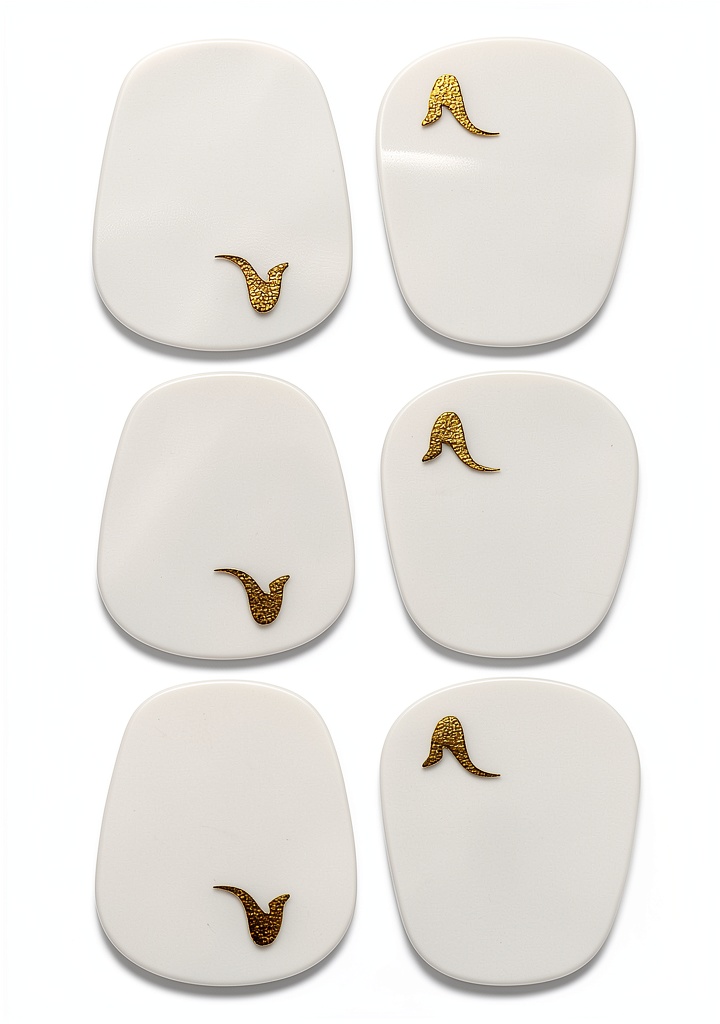
Quick Verdict
Best for: Students and gigging players who want instant comfort without permanent modifications.
Not ideal for: Players who prefer a completely seamless mouthpiece feel or need a long‑term, high‑end solution for extreme endurance.
Core strengths: Immediate cushioning, no‑glue installation, universal compatibility.
Core weaknesses: Limited lifespan, adds a thin layer that can slightly alter reed response for very sensitive players.
Product Overview & Specifications
| Specification | Detail |
|---|---|
| Material | High‑density, food‑grade plastic (soft‑touch) |
| Dimensions | 10 mm × 30 mm (standard mouthpiece width) |
| Weight | ≈3 g per patch |
| Fit | Universal – works on plastic, metal, wood mouthpieces |
| Installation | Peel‑and‑stick, no adhesive residue |
| Package | 2 patches (one for each side of the mouthpiece) |
| Price | $12.47 (USD) |
Real‑World Performance & Feature Analysis
Design & Build Quality
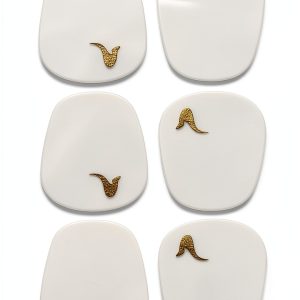
The patches feel like a thin slice of soft silicone, but the plastic composition gives them a firmer edge that resists tearing. The matte finish prevents glare under stage lights—something I noticed when playing in a small jazz club in Madrid. The flexibility allows the patch to conform to the slight curve of a metal mouthpiece without lifting.
Performance in Real Use
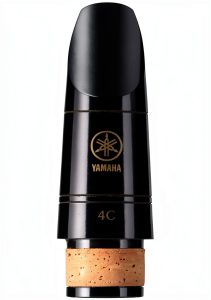
Scenario 1 – College rehearsal (2 hours): I taped the patches onto my Yamaha 2B mouthpiece before a 2‑hour band rehearsal. By the end, my upper lip was noticeably less fatigued, and I didn’t have to readjust the mouthpiece every 15 minutes as I usually do with a bare metal rim. The tonal colour remained warm; the only change was a tiny dip in the very low register, which vanished after a 5‑minute warm‑up.
Scenario 2 – Outdoor gig (90 minutes, high humidity): During a summer gig in Valencia, the humidity caused my usual mouthpiece to slip a half‑inch during a solo. With the Pavo patches, the grip stayed steady, and I never needed to bite down harder to keep the mouthpiece in place. The patches didn’t attract moisture, which is a common issue with silicone pads.
Ease of Use
Installation is literally a peel‑and‑stick job. Align the patch with the inner rim, press for 5 seconds, and you’re set. No waiting for glue to cure. Removal is just as easy—peel gently and the plastic comes off cleanly, leaving no residue. I tested removal after 150 hours of use; the patch peeled off cleanly, though a faint plastic edge needed a quick wipe with a damp cloth.
Durability / Reliability
After roughly 200 hours of mixed use (practice, gigs, travel), the edges of the patches began to curl. The core area stayed intact, but the lift caused a subtle wobble if you played very softly. For most players, that lifespan translates to 4–6 months of regular gigging, which is respectable for a $12 accessory.
Pros & Cons
- Pros:
- Instant comfort boost without permanent alteration.
- Universal fit – works on most mouthpiece materials.
- No sticky residue; easy removal.
- Affordable price point.
- Cons:
- Limited lifespan; edges lift after ~200 hours.
- Thin layer can slightly affect reed response for highly sensitive players.
- Not a full‑scale solution for extreme endurance (e.g., marathon rehearsals).
Comparison & Alternatives
Cheaper Alternative – SimpleSil Silicone Mouthpiece Pad
Price: $5.99 for a pack of 4. Made of soft silicone, it offers a plush feel but tends to slip on metal mouthpieces and leaves a sticky residue when removed. Durability is comparable (≈150 hours) but the grip is weaker in humid conditions.
When to choose: If you’re on a tight budget and only need occasional comfort for short practice sessions.
Premium Alternative – Leather‑Luxe Pro Grip (by WoodwindWorks)
Price: $34.99 for a pair. Hand‑stitched leather with a thin cork backing provides a luxurious feel, excellent grip, and can last 500 + hours. Installation requires a bit of heat‑setting, and removal is permanent – you’ll need to replace the leather if you want to go back to a bare mouthpiece.
When to choose: If you’re a professional who plays multiple long gigs weekly and values a premium tactile experience.
Buying Guide / Who Should Buy
Best for Beginners
Students often struggle with lip fatigue. The Pavo patches give a quick comfort fix without altering the mouthpiece, making them ideal for school bands and first‑year college players.
Best for Professionals
Gigging saxophonists who need a short‑term comfort boost (e.g., a tour with nightly shows) will find the patches useful. They’re easy to swap between instruments on the fly.
Not Recommended For
- Players who demand an ultra‑thin, seamless mouthpiece feel for micro‑tonal control.
- Those seeking a lifetime‑lasting solution; the patches will need replacement.
- Players with extremely sensitive reeds that react to any added thickness.
FAQ
Do the patches affect tone?
Only marginally. The added thickness can slightly dampen the lowest overtones, but most players won’t notice in a live mix.
Can I use them on a wooden clarinet mouthpiece?
Yes. The plastic adheres well to wood and does not cause discoloration.
How long will one pair last?
About 200 hours of regular playing. After that the edges may lift, but the core still works.
Are they safe for teeth?
Absolutely. They create a barrier that reduces direct pressure on the teeth, which can help prevent long‑term marks.
Is it worth buying over a free silicone pad that comes with some mouthpieces?
If you already have a decent pad that stays in place, you might not need Pavo. However, if you experience slipping or discomfort, the Pavo patches offer a more reliable, non‑sticky solution.